Product Description
Factory Price Furniture Door window Frame Profile Outdoor WPC Composite Floor
Door Panel Extrusion Machine Production Line
Machine consists of the following 6 parts:
| NO. | Specification | Quantity |
| 1 | Double-screw extruder with Automatic loading system | 1 set |
| 2 | Die head | 1 set |
| 3 | Calibrating and cooling device | 1 set |
| 4 | Haul-off machine | 1 set |
| 5 | Cutting machine | 1 set |
| 6 | Stacker | 1 set |
Details Images:
1. WPC Profile Making Machine Double-screw extruder with Automatic loading system
2. WPC Profile Making Machine Die head
3. WPC Profile Making Machine Calibrating and cooling device
4. WPC Profile Making Machine Haul-off machine
5. WPC Profile Making Machine Cutting machine
6. WPC Profile Making Machine Stacker
Final Product:
Information And Pictures About Productions Of The Machine:
| Machine Model | Production Width (mm) | Production Thickness (mm) | Production Capacity (kg/h) | Total Power (kw/h) |
| SJSZ80/156 | 1220 | 3~30 | 400~450 | 140 |
| SJSZ92/188 | 2440 | 3~50 | 550~600 | 230 |
WPC Door And Window Frame Wall Panel Composite Exterior Wall Cladding Interior Door Production Line Machine
Equipment is suitable for producing PP PE PVC WPC profiles in all shapes. The products are widely used for pallet,
packaging plate, floor, and out door decorating materials,widely application.
|
Technical parameter |
|||||
|
Model |
YF180 |
YF300 |
YF600 |
YF800 |
YF1000 |
|
Max.width of product(mm) |
180 |
300 |
600 |
800 |
1000 |
|
Extruder mode |
SJZ51/105 |
SJZ65/132 |
SJZ80/156 |
SJZ80/156 |
SJZ92/188 |
|
Extrusion capacity(kg/h) |
150 |
180 |
360 |
360 |
600 |
|
Motor power(kw) |
22 |
37 |
55 |
55 |
110 |
|
Total length(m) |
18 |
22 |
26 |
28 |
32 |
Main Features
1.Our WPC machine has features of low consumption,low noise,stable running..
2.This WPC machine include:extruder,mould,vacuum calibration table,haul-off machine,cutter and stacker.
3.The extruder of WPC machine adopt special wpc screw and barrel for extrusion.With different mould,WPC
machine can produce wpc products with different shapes.
Flow Process
1.PE/PP+wood extrusion line craft:
Wood milling(wood powder,rice husk)– Mixer(plastic+wood)–Granulator–Wpc extrusion line+Auxiliary
2.PVC+wood extrusion line craft:
Wood milling(wood powder,rice husk)–Mixer(plastic+wood)–Wpc extrusion line+Auxiliary
Technical Specification of SJSZ92/188 PVC Wood Door Profile Prodcution Line
1.Main technical parameters:
2.Detailed specification of the line:
1. SJSZ-92/188 conical twin screw extruder one set
2. Mould one set
3.Vacuum calibration unit one set
4.Hauling off machine one set
5.Horizontal Cutting machine one set
6.Stacker one set
1. Main technical parameters:
1. Suitable material: PVC&Wood
2. Output Capacity
| Extruder Model | Extrusion Material | Extruder Output Capacity |
| SJSZ-92/188 | PVC+Wood+other material | 450-500kg/h |
The output capacity varies with the materials and the operation conditions.
1. Product specification:
Width 900mm
Thickness 30~40mm
- The height of the centerline of the extruder: 1000mm
- Power: as per customers power.
2.Detailed specification of the line:
1. SJSZ-92/188 conical twin extruder: one set
| 2.1 Model | SJSZ-92/188 |
| 2.2 High efficiency screw | Bimetallic Screw-HangZhou CHINAMFG or as you request |
| Diameter Effective length of the screw |
92mm /188mm 2550mm |
| Material | 38CrMoAlA |
| Surface Treatment Nitrided depth Rotation speed Total motor power Rotation speed |
Nitrided and Polished
3.1~32r/min |
| 2.3 Barrel | HangZhou–Huachen |
| Material | 38CrMoAlA |
| Inner Surface treatment | Nitrided, ground |
| Heating power | 70KW |
| 2.4 Gearbox | HangZhou Jiawei |
| Material of the house | QT200 |
| Gear type | Helical gears |
| Material of the gear | 20CrMnTi |
| Heat treatment of the gear surface | Quenching |
| Material of the axes | 40Cr |
| Bearings | Imported high bearing |
| Lubricating system | Press system |
| 2.5 Automatic feeder | Spring feeder |
| Method Max transporting quantity Power |
With spring powder load system 800kg/h 4.2kw |
| 2.6 Driving motor | Simens Beide |
| Method | AC motor, 110KW |
| Control system | ABB inverter |
| Power | 3P*380V*50HZ or 220V*60HZ (as per your power) |
| 2.7 Dimension | 6mx2mx2.8m |
| 2.7 Electricity equipment: | |
Electrical system
|
|
| 3. Mould 3.1 Head of mould Heating 3.2 Forming mould Length of Vacuum calibration mould Operating method Material of vacuum calibration set 4 SDT-7000 vacuum calibration unit |
ONE SET- ZheJiang Xihu (West Lake) Dis. or as your request P20 steel HRC28~40 with heater and ring 3 segments 400mm pneumatic elevation 3Cr17 stainless steel One set |
| 4.1 Model | SDT-7600 |
| Flask length Switch and valve for intaking air and water |
7600mm
equipped with the machine |
| Power of vacuum pump Power of water pump |
3×7.5kw 1×5.5kw |
| Total dimension of the machine | 7600×2500×2000mm |
| Weight | 3500kg |
| 4.2 Infra regulating system | one set |
| 4.3 SIC-15W cooling water machine Power External dimension Weight |
one set 15kw 1550×900×1240mm 380kg |
| 5. BQY-800 hauling off machine one set Drawing with track tape frequency regulation Up and down track tape clamping air tank clamping Elective specification W1000×L3000mm Drawing power of blower 7.5kw Drawing thread speed 0.1~1 m/min External dimension 4000×2150×2350mm Weight 3000kg Valid width of cutting 3000mm Largest hauling-off strength 120KN Largest clamping strength 80 KN |
|
| 6. Horizontal Cutting Tractor 6.1 Horizontal cutting |
Circling saw cutting, air tank moving and pneumatic clamping |
| Valid width of cutting | ≥1000mm |
| External dimension | 3mx1.6mx1.45m |
| 6.2 Dust collector | one set |
| 7.XLT-800 Automatic Stacker one set Automatic pilling device is composed of a machine tacked, a supporter, a discharge racket and an air cylinder. |
|
| Weight 1000kg Mode of discharge automation External dimension 3.5mx1.5mx1.45m |
|
Customers comments:
FAQ:
1.Are you manufacturer or trading company?
We are manufacturer.
2.Why choose us?
We have 20 years experience for producing machine.We can arrange for you to visit our local customer’s factory.
3.Delivery time:
30 days.
4.Payment terms:
30% of total amount should be paid by T/T as down payment, the balance (70% of total amount)
should be paid before delivery by T/T or irrevocable L/C(at sight).
5.After-sales service:
Free Spare Parts ;
Field installation, commissioning and training ;
Field maintenance and repair service ;
Video/Online technical support.
6.Warranty:
1 year.
/* January 22, 2571 19:08:37 */!function(){function s(e,r){var a,o={};try{e&&e.split(“,”).forEach(function(e,t){e&&(a=e.match(/(.*?):(.*)$/))&&1
| After-sales Service: | Engineers Available to Service Machinery Overseas |
|---|---|
| Warranty: | 1 Year |
| Type: | Profile Extruder |
| Samples: |
US$ 1/Piece
1 Piece(Min.Order) | Order Sample |
|---|
.shipping-cost-tm .tm-status-off{background: none;padding:0;color: #1470cc}
|
Shipping Cost:
Estimated freight per unit. |
about shipping cost and estimated delivery time. |
|---|
| Payment Method: |
|
|---|---|
|
Initial Payment Full Payment |
| Currency: | US$ |
|---|
| Return&refunds: | You can apply for a refund up to 30 days after receipt of the products. |
|---|
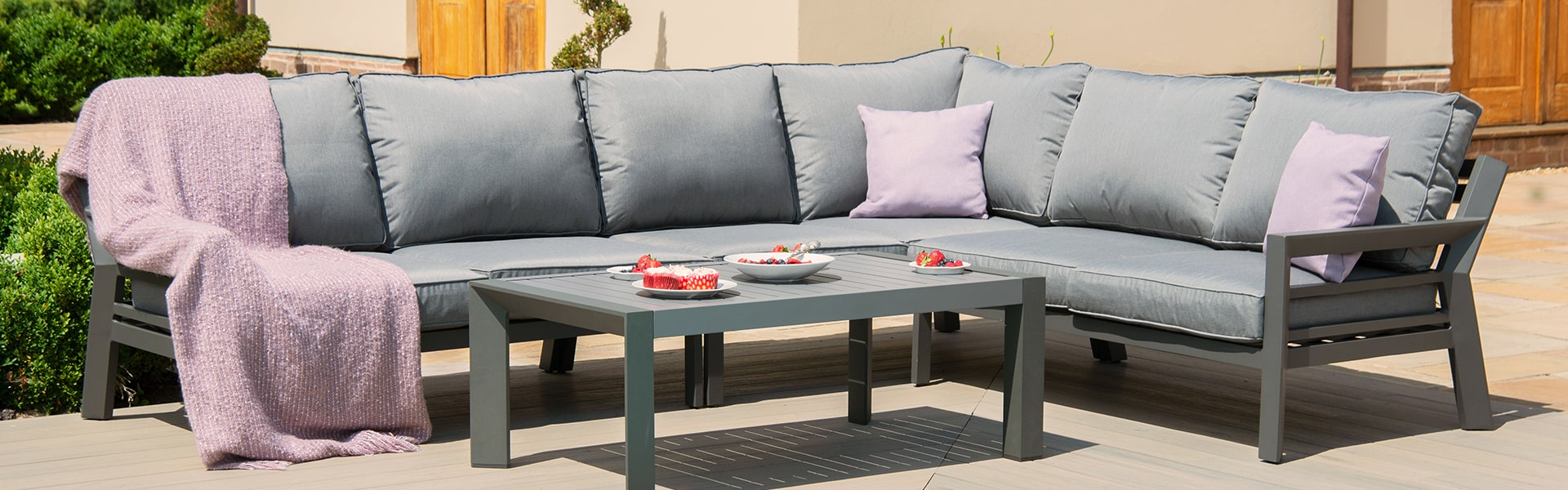
What types of finishes and surface treatments are available for aluminum tables?
There are several types of finishes and surface treatments available for aluminum tables. These treatments serve various purposes, such as enhancing aesthetics, improving durability, and protecting against corrosion. Here are some common options:
1. Anodizing:
Anodizing is a popular surface treatment for aluminum tables. It involves creating an oxide layer on the surface of the aluminum through an electrolytic process. Anodized finishes provide increased corrosion resistance, durability, and color options. They can be matte or glossy, and the thickness of the anodized layer can vary.
2. Powder Coating:
Powder coating is another commonly used finish for aluminum tables. It involves applying a dry powder to the surface of the aluminum and then curing it through heat to create a durable, protective coating. Powder coating provides a wide range of colors, textures, and finishes. It offers excellent resistance to impact, chemicals, and UV fading.
3. Polishing and Brushed Finishes:
Polishing and brushed finishes are surface treatments that enhance the aesthetic appeal of aluminum tables. Polished finishes create a reflective, mirror-like surface, while brushed finishes create a textured, directional pattern. These finishes can be achieved through mechanical processes, such as buffing or brushing.
4. Clear Coating:
Clear coating is a transparent finish that preserves the natural appearance of the aluminum. It provides a protective layer against oxidation, fingerprints, and other contaminants. Clear coatings can be applied through spray coating or dipping processes, and they can have different levels of glossiness.
5. Chemical Conversion Coating:
Chemical conversion coatings, such as chromate conversion coatings, are applied to aluminum surfaces to improve corrosion resistance and adhesion of subsequent coatings. These coatings typically have a thin, translucent appearance and can act as a base for other finishes or coatings.
6. Lacquering:
Lacquering is a process where a clear or colored lacquer is applied to the aluminum surface. Lacquers provide a protective layer that enhances the appearance and durability of the table. They can be glossy or matte, and they offer resistance to moisture, scratches, and chemicals.
These are just a few examples of the finishes and surface treatments available for aluminum tables. The specific options and availability may vary depending on the manufacturer, desired appearance, and intended use of the table. When selecting a finish or surface treatment, consider factors such as durability, maintenance requirements, aesthetic preferences, and the environment in which the table will be used.
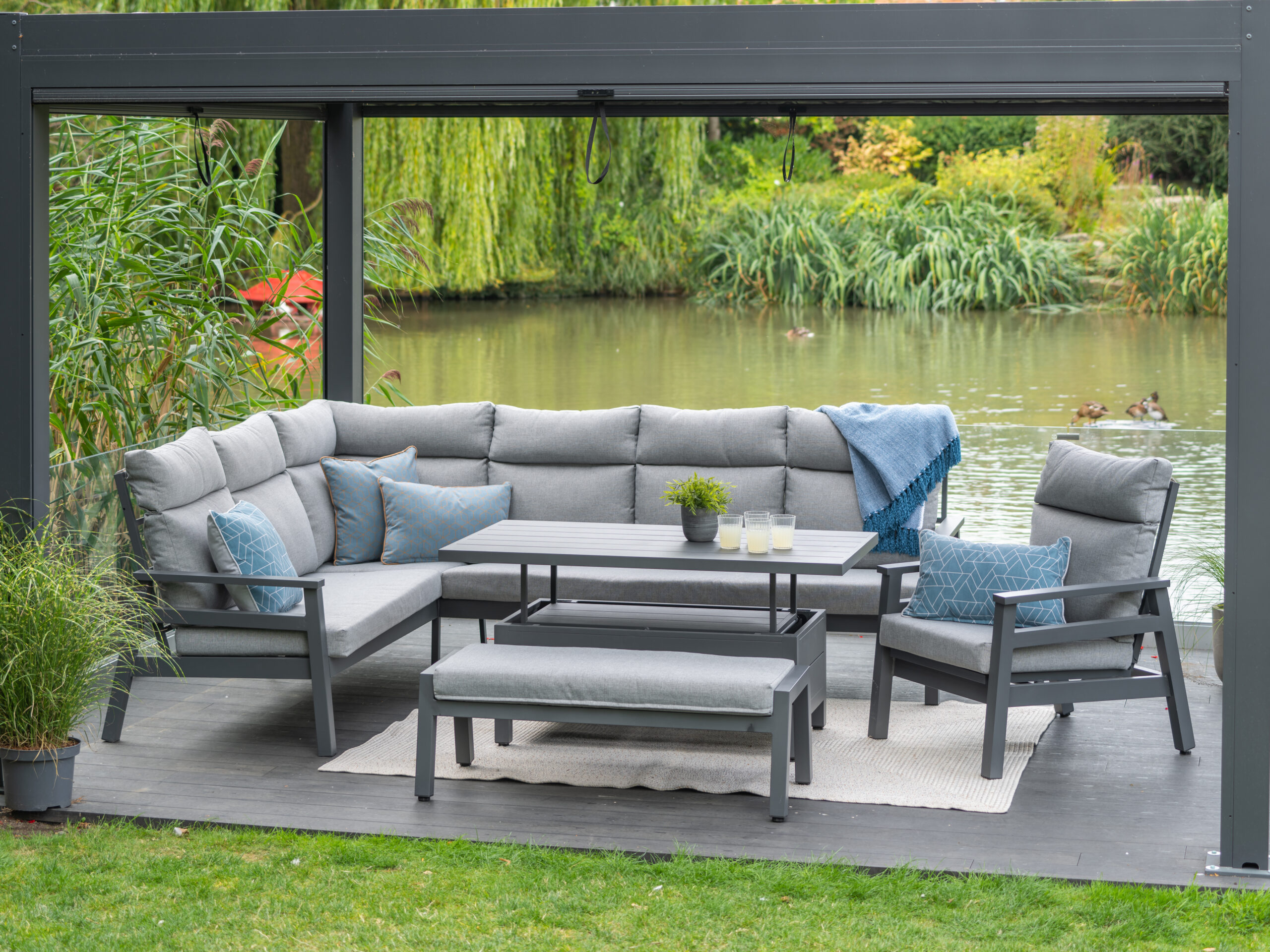
How does the durability of aluminum tables compare to other materials?
When it comes to durability, aluminum tables offer several advantages compared to other materials commonly used for tables. Here’s a comparison of the durability of aluminum tables with some other popular table materials:
1. Aluminum vs. Wood:
Aluminum tables are generally more durable than wood tables. While wood can be prone to warping, cracking, and decay over time, aluminum is highly resistant to such issues. Aluminum is not affected by moisture, insects, or rot, making it a suitable choice for outdoor use or in environments where exposure to these elements is a concern.
2. Aluminum vs. Plastic:
Aluminum tables tend to be more durable than plastic tables. Plastic tables can be susceptible to cracking, fading, and discoloration, especially when exposed to direct sunlight or extreme temperature changes. In contrast, aluminum is more resistant to UV radiation and temperature variations, making it a more durable option for outdoor use.
3. Aluminum vs. Glass:
Aluminum tables are generally considered more durable than glass tables. While glass can shatter or chip with impact, aluminum is more resistant to such damage. Aluminum tables also tend to be sturdier and less prone to wobbling or tipping over, providing a more stable surface for various activities.
4. Aluminum vs. Steel:
Both aluminum and steel tables are known for their durability, but there are some differences between the two. Aluminum is naturally corrosion-resistant, while steel can rust if not properly coated or maintained. However, steel tables can be heavier and more robust, making them suitable for heavy-duty use. Aluminum tables, on the other hand, are lightweight yet still provide excellent strength and durability.
Overall, aluminum tables offer a high level of durability and resilience compared to other common table materials. They are particularly advantageous in outdoor settings, as they withstand exposure to the elements without rusting, warping, or fading. Additionally, aluminum tables are lightweight, making them easy to move and rearrange while maintaining their structural integrity.
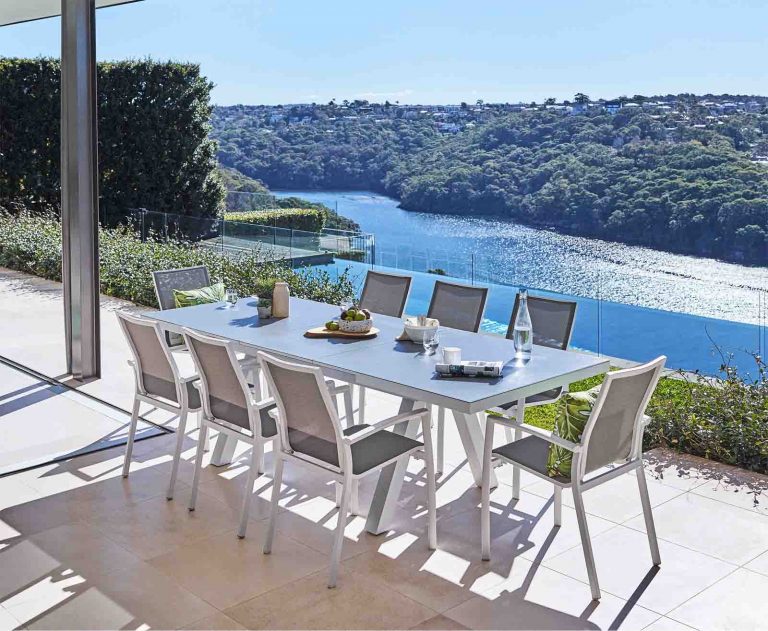
How do aluminum tables compare to other materials like wood or glass?
When comparing aluminum tables to other materials like wood or glass, there are several factors to consider. Here is a detailed explanation:
1. Durability:
– Aluminum: Aluminum tables are highly durable and resistant to rust, corrosion, and fading. They can withstand outdoor elements and are suitable for long-term use. However, they may be prone to scratching or denting if not properly cared for.
– Wood: Wood tables can vary in durability depending on the type of wood used. Hardwoods like teak or oak are known for their strength and resistance to wear and tear. However, softer woods may be more susceptible to scratches, dents, and water damage.
– Glass: Glass tables are delicate and require careful handling. While tempered glass is more resistant to breakage, it can still crack or shatter under significant impact. Glass tables are prone to scratches and may require frequent cleaning to maintain their appearance.
2. Maintenance:
– Aluminum: Aluminum tables are relatively low maintenance. They can be easily cleaned with mild soap and water, and they are resistant to stains, mold, and mildew. Regular cleaning is usually sufficient to keep them in good condition.
– Wood: Wood tables require more maintenance compared to aluminum. They may need periodic polishing, staining, or sealing to protect the surface and maintain its appearance. Wood tables are also more susceptible to stains and may require more frequent cleaning.
– Glass: Glass tables require regular cleaning to remove fingerprints, smudges, and dust. They are also more prone to showing water spots and streaks. Glass surfaces may need specialized glass cleaners to ensure a streak-free and clear appearance.
3. Aesthetics:
– Aluminum: Aluminum tables often have a sleek and modern aesthetic, making them suitable for contemporary or minimalist designs. They are available in various colors and finishes, allowing for versatility in matching different interior or outdoor styles.
– Wood: Wood tables offer a natural and warm aesthetic. The grain patterns and textures of different wood species add character and charm to the table. Wood tables can complement a wide range of interior design styles, from traditional to rustic or even modern.
– Glass: Glass tables provide a sleek and transparent look that can create a sense of lightness and openness in a space. They can blend well with different decor styles and are often chosen for their modern and elegant appearance.
4. Weight:
– Aluminum: Aluminum tables are lightweight, making them easy to move and transport. This is advantageous for both indoor and outdoor use, as they can be rearranged or stored with minimal effort.
– Wood: Wood tables can vary in weight depending on the type of wood used. Hardwoods tend to be heavier, while softer woods are lighter. Heavier wood tables may be more difficult to move or require multiple people to lift.
– Glass: Glass tables are typically heavier than aluminum or wood tables, especially if they have a thick glass top. Moving or rearranging glass tables may require more effort and caution to prevent breakage.
5. Cost:
– Aluminum: Aluminum tables are generally more affordable compared to wood or glass tables. They offer a good balance between durability and cost-effectiveness, making them a popular choice for both indoor and outdoor settings.
– Wood: Wood tables can vary significantly in price depending on the type of wood used and the craftsmanship. Hardwoods like teak or oak tend to be more expensive, while softer woods are generally more affordable.
– Glass: Glass tables can range in price depending on the thickness and quality of the glass. Tempered glass, which is more resistant to breakage, may be more expensive compared to regular glass.
Overall, aluminum tables offer durability, low maintenance, modern aesthetics, lightweight design, and affordability. Wood tables provide a natural and warm aesthetic but require more maintenance. Glass tables offer a sleek and transparent look but require careful handling and regular cleaning. The choice between aluminum, wood, or glass tables ultimately depends on personal preferences, the intended use, and the desired style for the indoor or outdoor space.
editor by CX 2024-03-27