Product Description
Brighthome can supply aluminum furniture, aluminum sofa, bench, stainless steel furniture, outdoor furniture, Outdoor Sofa, Garden Sofa, Rattan Sofa, Leisure Sofa, garden Furniture, patio furniture, leisure furniture etc.
/* January 22, 2571 19:08:37 */!function(){function s(e,r){var a,o={};try{e&&e.split(“,”).forEach(function(e,t){e&&(a=e.match(/(.*?):(.*)$/))&&1
| Material: | Rattan / Wicker |
|---|---|
| Style: | European |
| Usage: | Bar, Hotel, Dining Room, Outdoor |
| Folded: | Unfolded |
| Customized: | Customized |
| Condition: | New |
| Samples: |
US$ 1283/Set
1 Set(Min.Order) | |
|---|
| Customization: |
Available
|
|
|---|
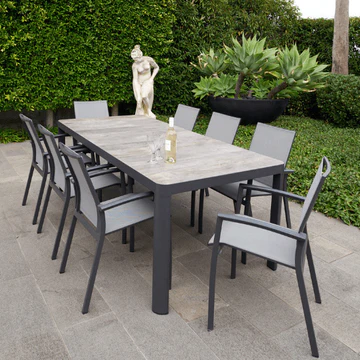
Are there eco-friendly or sustainable options for aluminum table production?
Yes, there are eco-friendly and sustainable options for aluminum table production. Here are some key considerations and practices in the industry:
1. Recycled Aluminum:
One sustainable option is using recycled aluminum for table production. Recycled aluminum is obtained from post-consumer or post-industrial sources, reducing the need for mining new raw materials. It requires less energy and resources compared to primary aluminum production, resulting in lower carbon emissions and environmental impact.
2. Energy Efficiency:
Aluminum table manufacturers can adopt energy-efficient practices in their production processes. This includes using energy-efficient machinery, optimizing production layouts, and implementing energy-saving technologies. By reducing energy consumption, manufacturers can minimize their carbon footprint and contribute to sustainability.
3. Waste Reduction and Recycling:
Efforts can be made to reduce waste generation during aluminum table production. Manufacturers can implement recycling programs to properly handle and recycle scrap aluminum and other materials. This helps minimize waste sent to landfills and promotes a circular economy approach.
4. Responsible Supply Chain:
Choosing suppliers and partners who follow sustainable practices is crucial for eco-friendly aluminum table production. Manufacturers can prioritize suppliers that adhere to environmental regulations, promote worker health and safety, and have responsible mining or sourcing practices for raw materials.
5. Surface Treatment and Finishing:
Considerations can be made for using eco-friendly surface treatment and finishing processes for aluminum tables. Water-based or low-VOC (volatile organic compound) coatings can be used instead of solvent-based options, reducing harmful emissions and minimizing environmental impact.
6. Product Longevity and Durability:
Designing and producing aluminum tables with longevity and durability in mind can contribute to sustainability. By creating high-quality tables that withstand wear and tear, manufacturers reduce the need for frequent replacements and extend the product’s lifespan.
7. End-of-Life Recycling:
Manufacturers can encourage end-of-life recycling of aluminum tables by providing information and resources to consumers. Promoting proper disposal and recycling options ensures that aluminum tables are recycled rather than ending up in landfills.
By adopting these eco-friendly and sustainable practices, the aluminum table industry can minimize its environmental impact, reduce resource consumption, and contribute to a more sustainable future.
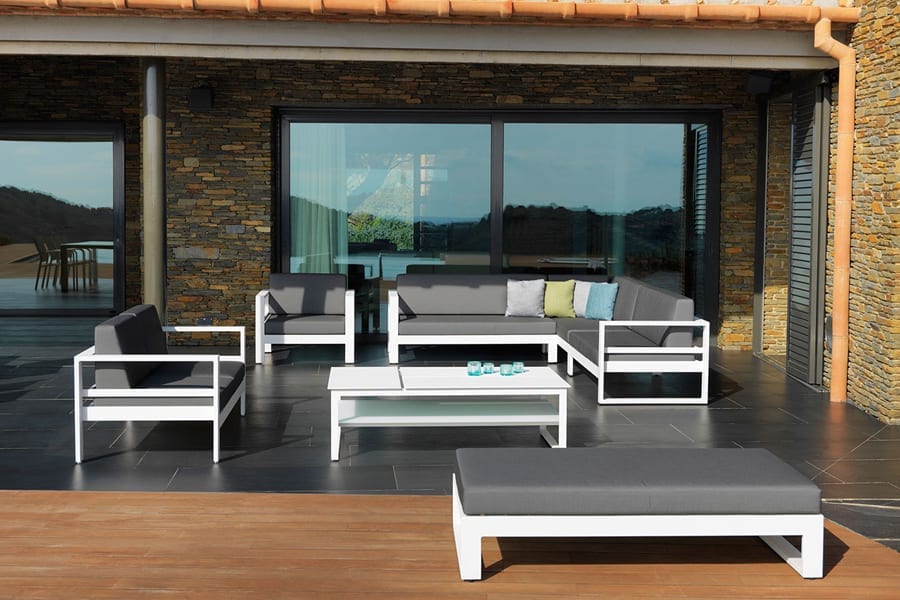
How do aluminum tables enhance the aesthetics of outdoor dining areas?
Aluminum tables can enhance the aesthetics of outdoor dining areas in several ways. Their unique characteristics and design features make them a popular choice for creating visually appealing and stylish outdoor spaces. Here are some ways in which aluminum tables enhance the aesthetics of outdoor dining areas:
1. Sleek and Modern Look:
Aluminum tables often have a sleek and modern appearance that adds a contemporary touch to outdoor dining areas. The clean lines and smooth surfaces of aluminum tables contribute to a streamlined and sophisticated aesthetic.
2. Versatile Design:
Aluminum tables come in various designs, shapes, and sizes, making them versatile for different outdoor dining areas. Whether you prefer a round, rectangular, square, or oval table, or a combination of different shapes, aluminum tables can be customized to suit your preferences and complement the overall design scheme of your outdoor space.
3. Customizable Finishes:
Aluminum tables offer customizable finishes, such as powder coating or anodizing, which can be applied in a wide range of colors and textures. This customization allows you to match the table’s finish to your outdoor décor, whether you prefer a bold and vibrant color or a more subtle and neutral tone.
4. Durability and Longevity:
Aluminum tables are known for their durability and longevity, making them an excellent investment for outdoor dining areas. Their resistance to rust and corrosion ensures that they maintain their aesthetic appeal even when exposed to the elements. This durability also means that aluminum tables can withstand frequent use and retain their visual appeal for years to come.
5. Lightweight and Easy to Move:
Another advantage of aluminum tables is their lightweight nature, which makes them easy to move and rearrange in outdoor dining areas. This flexibility allows you to experiment with different seating arrangements and create a dynamic and inviting space.
6. Complementary Material Pairings:
Aluminum tables can be paired with various materials to create visually appealing combinations. For example, combining aluminum tables with materials like wood, glass, or woven materials can add texture and visual interest to the overall design of the outdoor dining area.
7. Low Maintenance:
Aluminum tables are relatively low maintenance, requiring minimal upkeep to keep them looking their best. They are easy to clean and maintain, allowing you to spend more time enjoying your outdoor dining area rather than worrying about constant upkeep.
By incorporating aluminum tables into your outdoor dining area, you can enhance its aesthetics by adding a sleek and modern look, customizable finishes, durability, and versatility. These tables provide a stylish and functional centerpiece that elevates the overall design and visual appeal of your outdoor space.
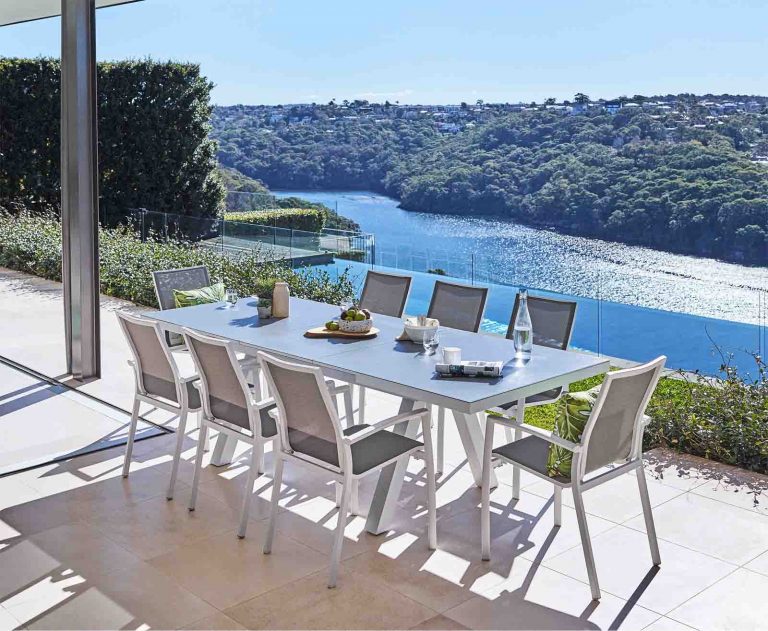
How do aluminum tables compare to other materials like wood or glass?
When comparing aluminum tables to other materials like wood or glass, there are several factors to consider. Here is a detailed explanation:
1. Durability:
– Aluminum: Aluminum tables are highly durable and resistant to rust, corrosion, and fading. They can withstand outdoor elements and are suitable for long-term use. However, they may be prone to scratching or denting if not properly cared for.
– Wood: Wood tables can vary in durability depending on the type of wood used. Hardwoods like teak or oak are known for their strength and resistance to wear and tear. However, softer woods may be more susceptible to scratches, dents, and water damage.
– Glass: Glass tables are delicate and require careful handling. While tempered glass is more resistant to breakage, it can still crack or shatter under significant impact. Glass tables are prone to scratches and may require frequent cleaning to maintain their appearance.
2. Maintenance:
– Aluminum: Aluminum tables are relatively low maintenance. They can be easily cleaned with mild soap and water, and they are resistant to stains, mold, and mildew. Regular cleaning is usually sufficient to keep them in good condition.
– Wood: Wood tables require more maintenance compared to aluminum. They may need periodic polishing, staining, or sealing to protect the surface and maintain its appearance. Wood tables are also more susceptible to stains and may require more frequent cleaning.
– Glass: Glass tables require regular cleaning to remove fingerprints, smudges, and dust. They are also more prone to showing water spots and streaks. Glass surfaces may need specialized glass cleaners to ensure a streak-free and clear appearance.
3. Aesthetics:
– Aluminum: Aluminum tables often have a sleek and modern aesthetic, making them suitable for contemporary or minimalist designs. They are available in various colors and finishes, allowing for versatility in matching different interior or outdoor styles.
– Wood: Wood tables offer a natural and warm aesthetic. The grain patterns and textures of different wood species add character and charm to the table. Wood tables can complement a wide range of interior design styles, from traditional to rustic or even modern.
– Glass: Glass tables provide a sleek and transparent look that can create a sense of lightness and openness in a space. They can blend well with different decor styles and are often chosen for their modern and elegant appearance.
4. Weight:
– Aluminum: Aluminum tables are lightweight, making them easy to move and transport. This is advantageous for both indoor and outdoor use, as they can be rearranged or stored with minimal effort.
– Wood: Wood tables can vary in weight depending on the type of wood used. Hardwoods tend to be heavier, while softer woods are lighter. Heavier wood tables may be more difficult to move or require multiple people to lift.
– Glass: Glass tables are typically heavier than aluminum or wood tables, especially if they have a thick glass top. Moving or rearranging glass tables may require more effort and caution to prevent breakage.
5. Cost:
– Aluminum: Aluminum tables are generally more affordable compared to wood or glass tables. They offer a good balance between durability and cost-effectiveness, making them a popular choice for both indoor and outdoor settings.
– Wood: Wood tables can vary significantly in price depending on the type of wood used and the craftsmanship. Hardwoods like teak or oak tend to be more expensive, while softer woods are generally more affordable.
– Glass: Glass tables can range in price depending on the thickness and quality of the glass. Tempered glass, which is more resistant to breakage, may be more expensive compared to regular glass.
Overall, aluminum tables offer durability, low maintenance, modern aesthetics, lightweight design, and affordability. Wood tables provide a natural and warm aesthetic but require more maintenance. Glass tables offer a sleek and transparent look but require careful handling and regular cleaning. The choice between aluminum, wood, or glass tables ultimately depends on personal preferences, the intended use, and the desired style for the indoor or outdoor space.
editor by CX 2024-04-10