Product Description
Product:
Details of the outdoor WPC decking
| Name | Wood plastic composite (WPC) decking |
| Size | 40*140 |
| Length | 2.2m, 2.9m, 5.8m/ Customized |
| Material | Wood & plastic composite |
| Color | Red, brown, yellow, black, coffee, etc |
| Surface | Sanded, brushed |
| Package | PE film +Wood Pallet |
| MOQ | 200 square meters |
| Certificates | CE, BSCI, FSC, ISO9001, ISO14001 |
Advantages of the outdoor WPC decking
| Eco-friendly | recycle, environment protection |
| Anti-slip | high |
| waterproof | high |
| UV-resistant | stability |
| Weather-resistance | high |
| Strength | high impact resistance |
| Long life | 10-15 years |
| Easy clean | low maintenance, easy installation |
| Appearance | natural feel & wood touch |
Color card: It can customize more rich colors according to customer requirements.
Packing: Two kind of packing way for your choose. First way is packed by film, can load more goods. Second way is packed by wood pallet, can load lesser goods. Price same.
Film packing Wood pallet packing
Certificates:
New CE ISO 9001 ISO 14001
Related products:
Projects:
Workshop & Guofeng:
FAQs:
Q: Are you trading company or manufacturer ?
A: We are a manufacturer with professional trading team.
Q: What is the proportion of wood and plastic in your product?
A: The proportion of wood and plastic varies across different product types. Our standard WPC decking board contains approximately 60% wood powder, 30% plastic and 10% additives.
Q: What type of plastic do you use?
A: For extrusion decking boards and fence panels, we use High-Density Polyethylene (HDPE) for its strength, durability and temperature resistance. Our injection DIY tiles are made of Polypropylene (PP) as it allows us to create patterns and surface textures that are more interesting and realistic.
Q: How much weight can your decking boards support?
A: Due to its high-density material and weight-bearing structure, our hollowed WPC decking boards can support up to 500kg/m2 (Supported by Intertek and SGS reports)
Q: How long does it last?
A: Our WPC products are expected to last 10 years
Q: Will the color of WPC fade?
A: The answer is yes, the color will fade slightly (approximately 15%) in the first year of usage. The color will be stable after 1 year.
Contact us:
ZheJiang Guofeng Wood-Plastic Composite Co.,Ltd.
Address: No.32 ZheJiang Road,Xihu (West Lake) Dis. Industrial Park, HangZhou, China
Website: guofeng-wpc
/* January 22, 2571 19:08:37 */!function(){function s(e,r){var a,o={};try{e&&e.split(“,”).forEach(function(e,t){e&&(a=e.match(/(.*?):(.*)$/))&&1
| After-sales Service: | by Internet |
|---|---|
| Warranty: | 5 Years |
| Thickness: | 40mm |
| Style: | European |
| Environmental Standard: | E0 |
| Function: | Waterproof, Anti-Mildew, Weather Resistance, Insect-Resistant |
| Samples: |
US$ 2/Piece
1 Piece(Min.Order) | |
|---|
| Customization: |
Available
|
|
|---|
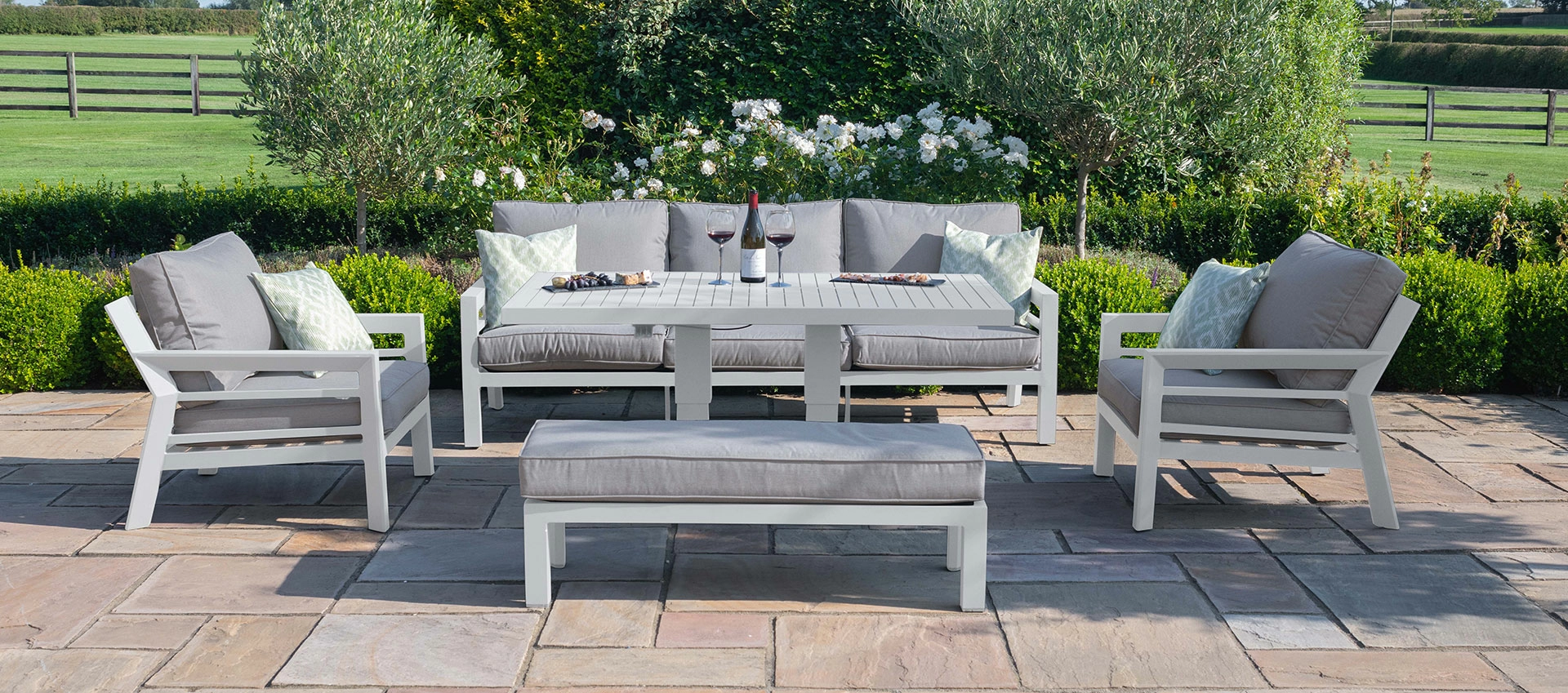
Can aluminum tables withstand exposure to the elements in outdoor settings?
Yes, aluminum tables are well-suited for outdoor settings and can withstand exposure to the elements. Aluminum is a popular choice for outdoor furniture due to its inherent characteristics and properties:
1. Corrosion Resistance:
Aluminum naturally forms a protective oxide layer on its surface, which helps prevent corrosion. This oxide layer acts as a barrier against moisture, rain, and other environmental factors, making aluminum highly resistant to rust and degradation.
2. Weather Resistance:
Aluminum tables are designed to withstand various weather conditions, including sun, rain, wind, and temperature fluctuations. They are resistant to UV rays, which means they won’t fade or deteriorate when exposed to sunlight for extended periods. Additionally, aluminum does not warp, crack, or splinter like other materials when subjected to moisture or temperature changes.
3. Lightweight and Durable:
Aluminum is a lightweight material, making it easy to move and reposition the tables in outdoor settings. Despite its lightweight nature, aluminum is also durable and sturdy. It can withstand the weight of objects and the rigors of outdoor use without compromising its structural integrity.
4. Low Maintenance:
Aluminum tables require minimal maintenance in outdoor settings. The natural corrosion resistance of aluminum means that it does not require regular sealing or painting to protect it from the elements. Routine cleaning with mild soap and water is usually sufficient to keep aluminum tables in good condition.
5. Versatility:
Aluminum tables come in a variety of styles, designs, and finishes, allowing you to choose an option that complements your outdoor aesthetics. Whether you prefer a sleek and modern look or a more traditional style, there are aluminum tables available to suit different preferences and outdoor environments.
While aluminum tables can withstand outdoor exposure, it’s important to note that the longevity and performance of the tables can be influenced by factors such as the quality of construction, finish, and the specific environmental conditions in which they are placed. It’s advisable to choose high-quality aluminum tables from reputable manufacturers and follow the manufacturer’s instructions for care and maintenance to ensure optimal performance and longevity.
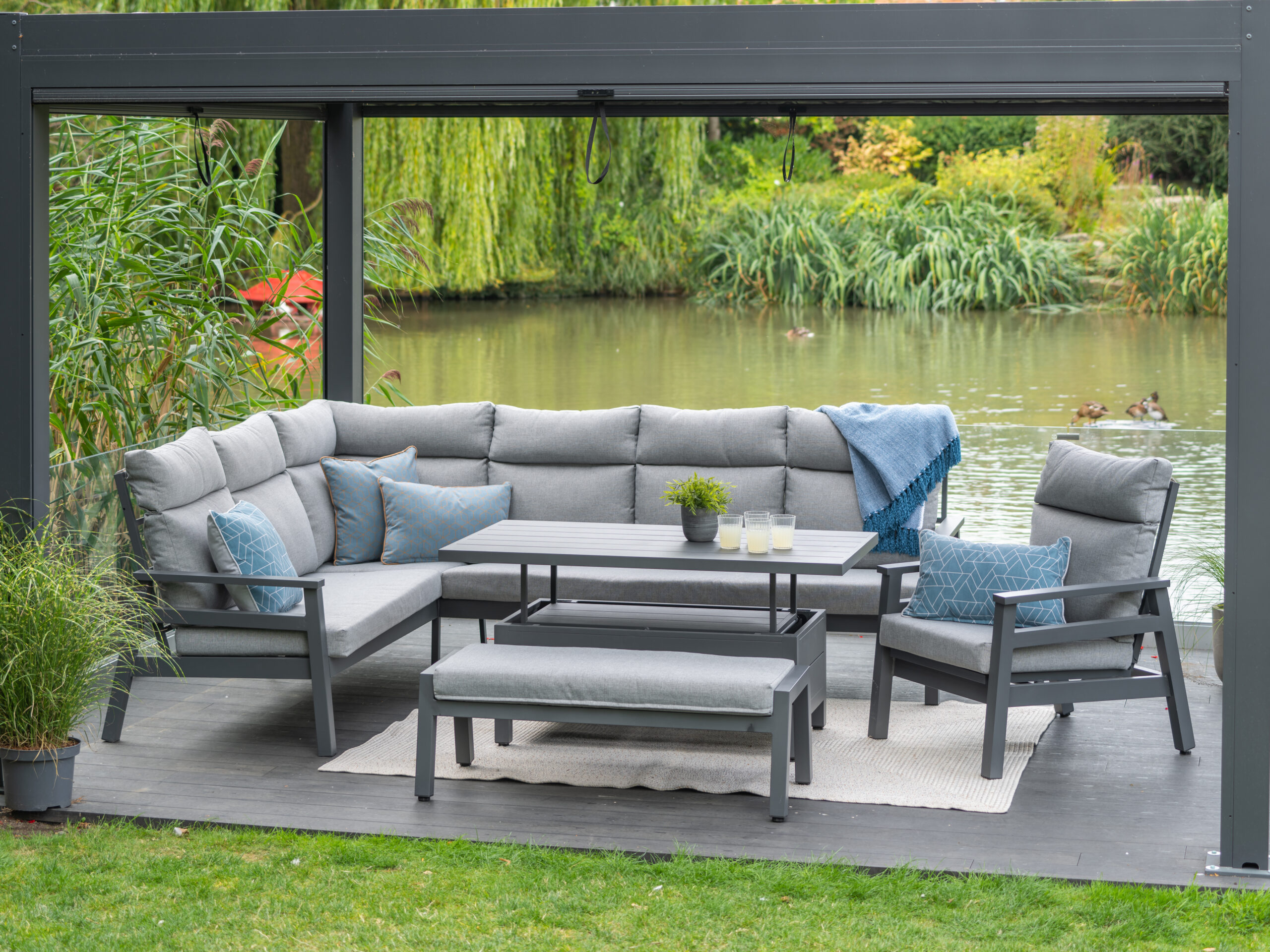
How does the durability of aluminum tables compare to other materials?
When it comes to durability, aluminum tables offer several advantages compared to other materials commonly used for tables. Here’s a comparison of the durability of aluminum tables with some other popular table materials:
1. Aluminum vs. Wood:
Aluminum tables are generally more durable than wood tables. While wood can be prone to warping, cracking, and decay over time, aluminum is highly resistant to such issues. Aluminum is not affected by moisture, insects, or rot, making it a suitable choice for outdoor use or in environments where exposure to these elements is a concern.
2. Aluminum vs. Plastic:
Aluminum tables tend to be more durable than plastic tables. Plastic tables can be susceptible to cracking, fading, and discoloration, especially when exposed to direct sunlight or extreme temperature changes. In contrast, aluminum is more resistant to UV radiation and temperature variations, making it a more durable option for outdoor use.
3. Aluminum vs. Glass:
Aluminum tables are generally considered more durable than glass tables. While glass can shatter or chip with impact, aluminum is more resistant to such damage. Aluminum tables also tend to be sturdier and less prone to wobbling or tipping over, providing a more stable surface for various activities.
4. Aluminum vs. Steel:
Both aluminum and steel tables are known for their durability, but there are some differences between the two. Aluminum is naturally corrosion-resistant, while steel can rust if not properly coated or maintained. However, steel tables can be heavier and more robust, making them suitable for heavy-duty use. Aluminum tables, on the other hand, are lightweight yet still provide excellent strength and durability.
Overall, aluminum tables offer a high level of durability and resilience compared to other common table materials. They are particularly advantageous in outdoor settings, as they withstand exposure to the elements without rusting, warping, or fading. Additionally, aluminum tables are lightweight, making them easy to move and rearrange while maintaining their structural integrity.
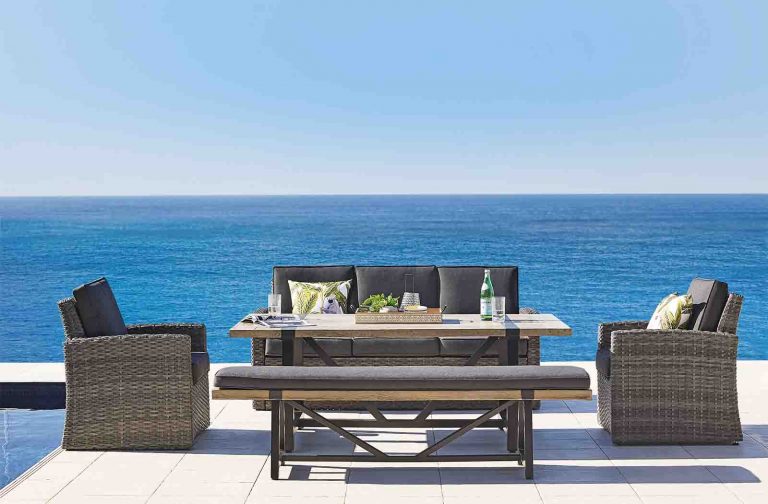
How can I maintain and care for my aluminum table to keep it in top condition?
To maintain and care for your aluminum table and keep it in top condition, follow these guidelines:
1. Regular Cleaning:
Clean your aluminum table regularly to remove dirt, dust, and debris. Use a mild soap or detergent mixed with water and a soft cloth or sponge. Avoid using abrasive cleaners or scrub brushes that can scratch the surface.
2. Avoid Harsh Chemicals:
Avoid using harsh chemicals or abrasive cleaners on your aluminum table, as they can damage the finish. This includes cleaners containing bleach, ammonia, or acids. Stick to mild, non-abrasive cleaning solutions.
3. Remove Stains Promptly:
If you notice any stains on your aluminum table, try to remove them promptly. Wipe the affected area with a cloth dampened with a mild cleaning solution. For stubborn stains, you can use a non-abrasive cleaner specifically formulated for aluminum surfaces.
4. Protect from Scratches:
To prevent scratches, use coasters, placemats, or tablecloths when placing objects on your aluminum table. Avoid dragging heavy or sharp objects across the surface. Consider using felt pads on the bottom of objects that may come into direct contact with the table.
5. Avoid Extreme Temperatures:
Aluminum can expand and contract with temperature changes. Avoid placing your aluminum table in direct sunlight for prolonged periods, as excessive heat can cause warping or fading. Similarly, avoid exposing it to extreme cold or freezing temperatures.
6. Apply Protective Coating:
Consider applying a protective coating or wax to your aluminum table. This can help protect the surface from oxidation and maintain its appearance. Follow the manufacturer’s instructions for the specific coating or wax product you choose.
7. Store Properly:
If you need to store your aluminum table during the off-season or for an extended period, make sure to clean it thoroughly first. Dry the table completely to prevent moisture buildup. Store it in a cool, dry place, away from direct sunlight and moisture.
8. Inspect and Maintain Hardware:
Periodically check and tighten any hardware, such as screws or bolts, on your aluminum table. Loose or damaged hardware can affect the stability and overall condition of the table. Replace any worn-out or corroded hardware as needed.
By following these maintenance and care tips, you can keep your aluminum table in top condition and prolong its lifespan. Regular cleaning, avoiding harsh chemicals, protecting from scratches, and proper storage are key to maintaining the appearance and functionality of your aluminum table.
editor by CX 2024-05-08